About Sodium Tripolyphosphate STPP
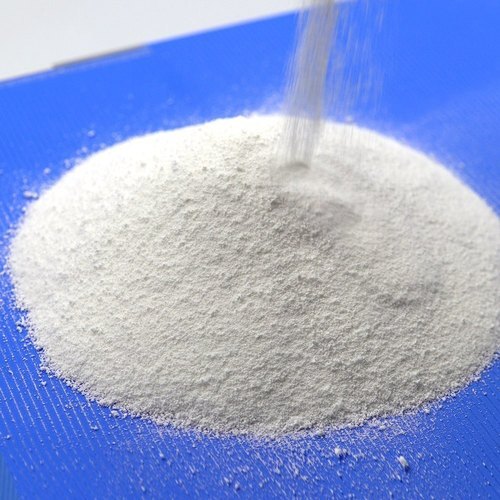
Available in white free flow powder form, Sodium Tripolyphosphate STPP is required as an indispensable ingredient of canned fruit juices, dairy products, soy milk etc. It maintains softness of canned beans. This chemical is also used to attain tender texture of meat based products and also as effective water retaining factor. Being versatile by nature, Sodium Tripolyphosphate STPP serves as an effective sequestering factor, water softener, ph regulator and thickening factor. Free from unpleasant smell, this chemical has 9 ph value. Standard of this chemical has been verified on the basis of its shelf life, compositional accuracy, stability of properties and environment friendliness.
Technical specification
| Parameters | Guaranteed |
| P2 O 5content% | 56+/-0.5 |
| Roh 1 minute minimum | 81 |
| Maximum | 93 |
| Roh 5 minute minimum | 84 |
| Maximum | 95 |
| Bulk density, g/ml maxium | 1.2 |
| Whiteness level % minimum | 82 |
| Sodium tripolyphosphate (Na5P3O10) (Expressed as a % of total ) Phasphate content ), minium | 92 |
| Phase from 1, % minimum | 25 |
| % maximum Paticle size destribution | 55 |
| On 425 micrro (tyler 35 mesh or equvalent) % maximum | 5 |
| Thru 150 micrro (tyler 100 mesh or equvalent) % maximum | 75 |
| Iron, mg/kg , maximum | 300 |
| Ph ( 1.0% in distilled water @ 25C) mi9nimum | 9 |
| maximum | 10 |
| Whater insoulble % maximum | 0.10 |
| Appearancr | White free flowing power, free of foreign materials free from objectionable odours |
| Odour |
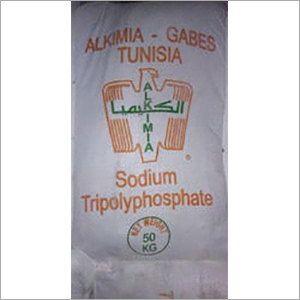
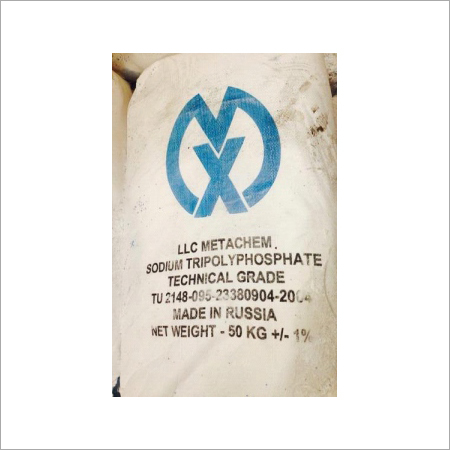
Packing ; 50 Kg
Versatile Industrial and Food ApplicationSodium Tripolyphosphate is widely valued in both industrial and food sectors. As an industrial ingredient, it acts as a builder in detergents, improves water treatment efficiency, and enhances ceramic and textile processing. In food applications, STPP serves as a preservative and moisture-retaining agent, underscoring its adaptability across sectors.
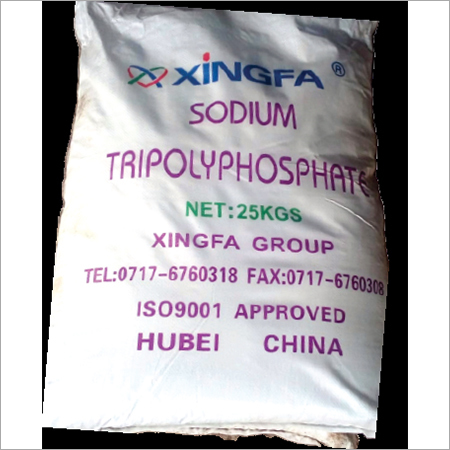
Safe Packaging and Long Shelf LifeThis product is supplied in robust 25 kg or 50 kg PP/PE bags, helping to maintain its purity (minimum 94%) and chemical stability. With a shelf life of two years, Sodium Tripolyphosphate remains effective when stored in a cool, dry, and ventilated area, ensuring flexibility in storage and handling for distributors and end-users.
FAQs of Sodium Tripolyphosphate STPP:
Q: How can Sodium Tripolyphosphate be used in detergent formulations?
A: Sodium Tripolyphosphate acts as a builder in detergent powders and liquids by softening water, breaking down dirt, and enhancing the cleaning efficiency of surfactants. Its high solubility and purity make it an ideal ingredient for both industrial and household detergents.
Q: What is the benefit of using STPP in water treatment processes?
A: In water treatment, STPP sequesters calcium and magnesium ions, preventing scale formation and improving water quality. Its easy solubility ensures rapid dispersion and effectiveness in various water treatment systems.
Q: When should Sodium Tripolyphosphate be added during manufacturing processes?
A: STPP should be added at the blending stage of manufacturing, ensuring it is well-dispersed for optimal performance. For water treatment and food applications, follow the recommended dosing procedures specific to each industry.
Q: Where should Sodium Tripolyphosphate be stored for best shelf life?
A: To maintain its quality and efficacy, Sodium Tripolyphosphate should be stored in a cool, dry, and well-ventilated area, away from moisture and direct sunlight. Proper storage extends its shelf life up to two years.
Q: What are the recommended packaging options for Sodium Tripolyphosphate?
A: STPP is available in durable 25 kg or 50 kg PP/PE bags, with custom packaging options available upon request, ensuring safe storage and transportation in bulk for industrial and commercial use.
Q: How does STPP benefit food processing industries?
A: In food processing, food grade STPP serves as a preservative and helps retain moisture in meat, seafood, and poultry products, thereby improving texture and shelf life without compromising food safety.








 Send Inquiry


 Send Inquiry